How to Choose a Roofing Contractor Central Texas Homeowners Trust
Living in Central Texas means you know the weather can shift without much notice. One morning the sun bakes your roof, and by late afternoon a thunderstorm rolls in with winds that rattle the ridge tiles. Over the years I have seen how that cycle takes a toll on homes across the region. The choice of a roofing contractor Central Texas residents rely on matters more than many people realize. It is not just about finding someone to patch a leak or slap on new shingles. It is about picking a partner who understands the local climate, the building codes, and the materials that actually hold up here.
Why Local Experience Is Important
Roofing work is not one-size-fits-all. A contractor who learned the trade in a colder, wetter part of the country might not know how to handle the rapid heat cycling that happens in Austin and the surrounding Hill Country. I have watched crews install dark asphalt shingles on a south-facing slope in July, only to see them curl and crack within a year. A good roofing contractor Central Texas homeowners call for help will specify materials rated for high UV exposure and sudden temperature drops. That kind of knowledge comes from working in this specific area, not from reading a manual.
Another thing I notice is how many homeowners assume all roofers are basically the same. They call three numbers, pick the lowest bid, and hope for the best. That approach often leads to callbacks, frustration, and eventually a full replacement that costs much more than a careful initial install. The difference between a solid roof and a mediocre one is usually in the details: proper underlayment, correct flashing around vents and skylights, and the way the crew handles the edges. Those details are the mark of a contractor who has been doing this work in Central Texas for years.
Materials That Work in This Climate
When I talk to contractors who have been in the Austin area since before the big growth spurt, they almost always mention three shingle brands: GAF, CertainTeed, and Owens Corning. These manufacturers have products tested for the kind of heat and hail we see. But even the best shingle will fail if the installation is sloppy. I have seen a CertainTeed roof that looked perfect from the street but had exposed nails and gaps at the ridge because the crew rushed the job. The contractor had a good name on paper, but the actual work was below standard.
Metal roofing has become more popular in Central Texas over the past decade, especially on modern homes and barn-style structures. Standing seam metal panels handle the thermal expansion well, and they shed water faster than shingles. The trade-off is that metal roofing requires a skilled installer who knows how to seal the fasteners and handle the trim details. A mistake with metal can lead to oil-canning, leaks around the screws, or noise issues when the temperature shifts. I have also seen metal roofs hold up very well during hailstorms, though the finish can dent. If you live in an area that gets frequent hail, it is worth asking your contractor about impact ratings.
Shingle roofing is still the most common choice for residential work in this region. Asphalt shingles are affordable and relatively easy to repair. But not all shingles are the same. A contractor who carries GAF or Owens Corning products usually offers a better warranty because those companies back their materials. Just remember that the warranty is only as good as the installer. If the contractor goes out of business or does not register the warranty properly, that paper is not worth much.
Storm Damage and Insurance Claims
Hurricane Harvey was a wake-up call for many homeowners in Texas, even though the worst of it hit the coast. The storm systems that rolled through Central Texas afterward dropped heavy rain and high winds that exposed weak spots in older roofs. I saw a lot of people scrambling to find help after the damage was done. They called whoever answered the phone, and some of them ended up with temporary patches that did not last the next season.
When a storm hits, the first thing you should do is document the damage. Take photos from the ground and from the roof if you can do it safely. Then call your insurance company. The Texas Department of Insurance offers guidelines on how to file a claim, but your roofing contractor can also help. Many established contractors in Austin have experience working with insurance adjusters. They know how to write a scope of work that matches what the policy covers. This can speed up the process and reduce the chance of a dispute later. I have seen homeowners get stuck because the adjuster and the contractor disagreed on the extent of the damage. A contractor who has handled storm damage before can bridge that gap.
One thing to watch for after a storm is the rush of out-of-town crews who come in looking for quick cash. They often offer low prices but do poor work and leave before the warranty period ends. A local roofing contractor Central Texas residents have vetted through the Better Business Bureau or Angi or HomeAdvisor is a safer bet. Those platforms let you read real reviews and check how long the company has been in business. A contractor with a solid BBB rating and a long history in Austin is less likely to disappear when things get tough.
Roof Repair vs. Replacement
Deciding whether to repair or replace a roof is one of the harder calls a homeowner has to make. A repair can buy you a few years, but if the underlying decking is rotted or the flashing is failing, you might be throwing money at a losing battle. I have walked roofs where the shingles looked fine from the curb but the plywood underneath was soft from years of hidden leaks. In those cases, a full roof replacement is the only sensible option.

On the other hand, not every leak calls for a new roof. A skilled contractor can often fix a localized problem by replacing a few shingles, resealing a vent pipe, or installing a new skylight curb. The key is having someone who will give you an honest assessment instead of pushing for the biggest job. I have seen contractors recommend unnecessary replacements because it pads their bottom line. A good rule of thumb is to get at least three opinions and compare the reasoning, not just the price.
Roof ventilation is another factor that matters in Central Texas. Attics that trap heat and moisture can shorten the life of any roof. Ridge vents, soffit vents, and proper baffles help keep the temperature and humidity under control. A contractor who mentions ventilation during the inspection is probably thinking long-term. One who ignores it might be in a hurry to finish the job.
Extra Services That Add Value
While the roof is being worked on, it is a good time to consider upgrades that improve the overall performance of the home. Gutter Guard systems, for example, keep leaves and debris out of the gutters, which reduces the chance of water backing up under the shingles. I have seen clogged gutters cause rot along the fascia and even lead to interior water damage. Installing a guard while the crew is already on site is much cheaper than doing it later.
Skylights can bring natural light into dark rooms, but they need to be flashed and sealed correctly. A poorly installed skylight is one of the most common sources of roof leaks I have encountered. The same goes for roof-mounted equipment like solar panels, satellite dishes, or even a tankless water heater vent. Every penetration in the roof is a potential leak point. A good contractor will use proper boots and flashing kits, and they will test the seal before they leave.
Checking Credentials and Reputation
Before you hire anyone, verify that they have the right licenses and insurance for Texas. Ask for proof of workers' compensation and general liability coverage. If a worker gets hurt on your property and the contractor is uninsured, you could be on the hook. The Better Business Bureau is a good starting point, but also check on Angi and HomeAdvisor for recent reviews. Look for patterns in the feedback. A few negative reviews are normal, but a string of complaints about unfinished work or poor communication is a red flag.
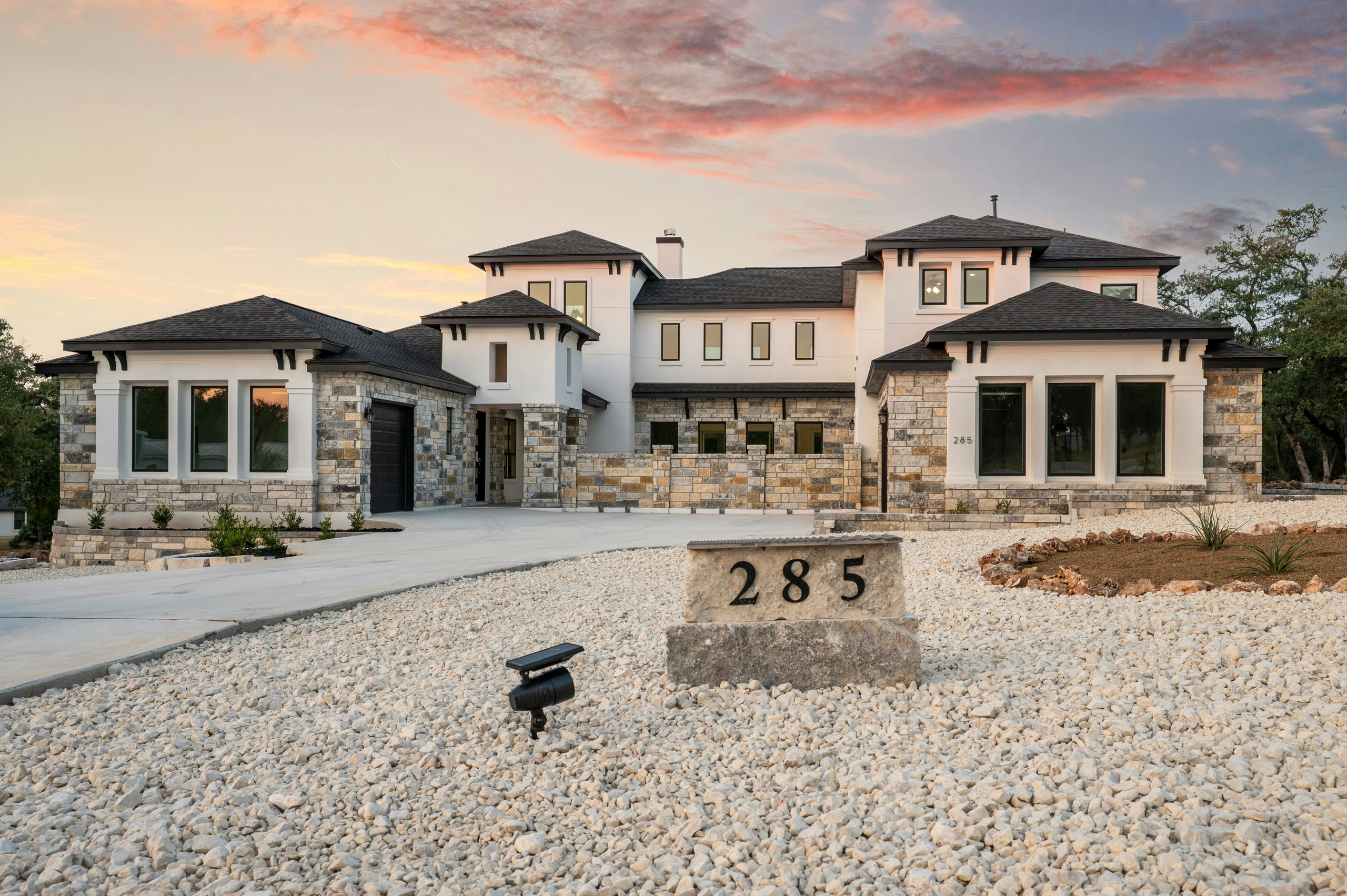
I always recommend visiting a job site if the contractor is working nearby. Look at the crew's setup. Are they cleaning up at the end of the day? Are they using safety harnesses and following basic precautions? A messy, disorganized site often leads to sloppy work. The best contractors take pride in their appearance and their process.
Final Thoughts
Choosing a roofing contractor in Central Texas is a decision that can affect your home's safety, comfort, and value for decades. Take your time. Do not let a storm or a small leak push you into a hasty choice. Ask the right questions, check the materials, and look for a company that has a track record in Austin. The extra effort upfront will save you headaches down the road.